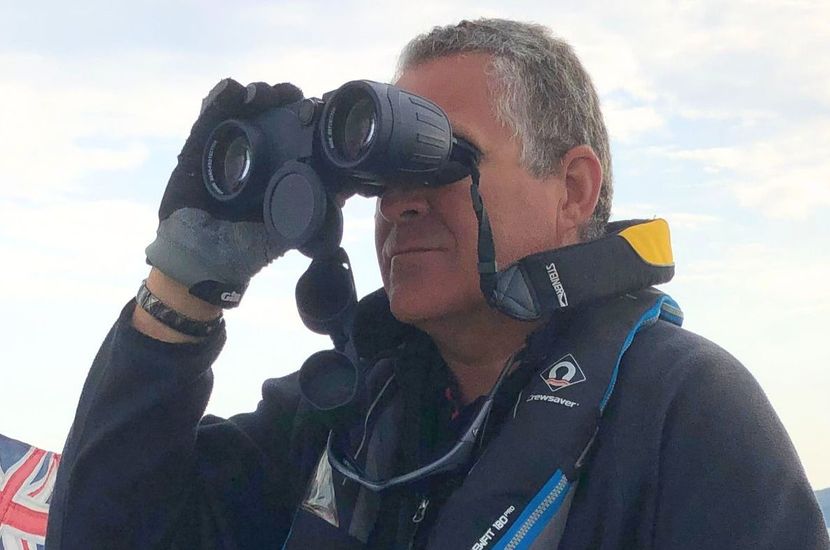
Choosing wisely
Most people shopping for marine binoculars start by looking at magnification or price. In reality, choosing the right binoculars for your boat is far more about usability, safety and reliability in real conditions at sea.
A good pair of marine binoculars is not just there to “see further”. They are part of your situational awareness onboard. Used properly, they can help identify navigation marks earlier, pick up floating debris, monitor traffic movement, spot weather changes and even assist in locating people in the water.
That is where buying the right pair really matters.
Why Marine Binoculars Are Different
One of the biggest misconceptions I come across is people assuming all binoculars are basically the same.
They're not.
Marine binoculars are specifically designed for unstable environments where movement, spray, changing light and poor weather all play a role. A pair designed for birdwatching ashore may perform very differently once you are standing at the helm in a rolling sea.
For most cruising yachts, I still recommend a traditional 7x50 setup. There is a reason this specification has remained the marine standard for decades. The magnification is manageable on a moving boat and the larger objective lens allows far better light transmission during poor weather, dusk passages and early morning departures.
The better the optical quality, the easier they are to use over long periods without eye strain.
Choosing the Right Setup for Your Type of Boating
Different boats need different solutions.
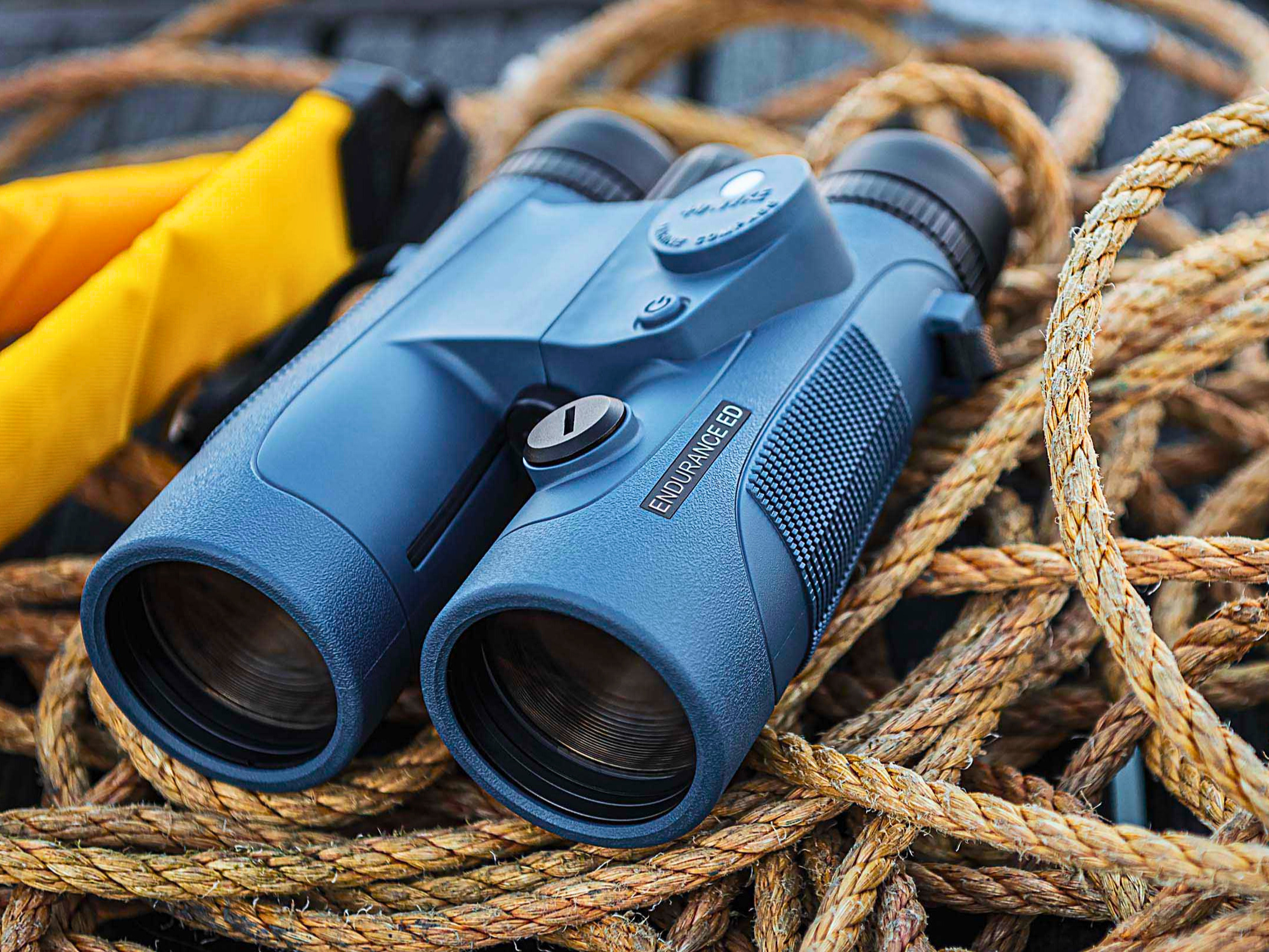
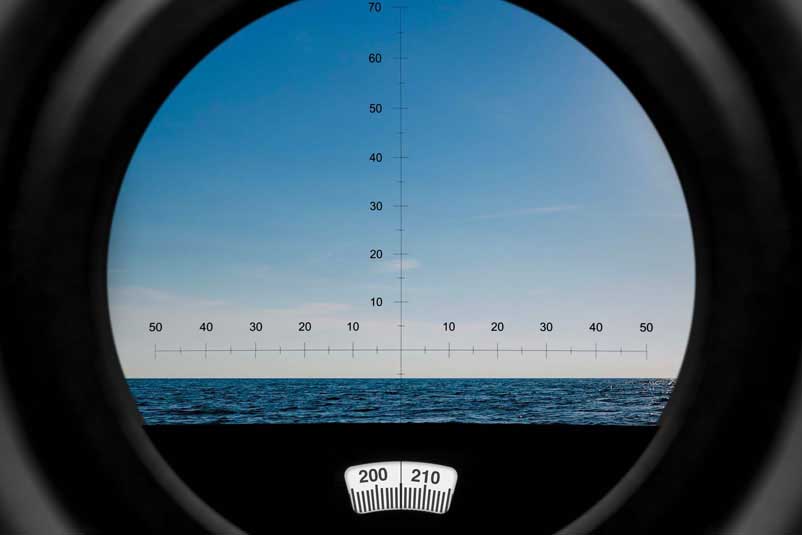
For a coastal cruising yacht around 38 feet, I would normally recommend a proper marine binocular with an integrated compass. A compass becomes particularly useful when taking bearings or carrying out pilotage work, especially in reduced visibility or at night.
For sailors doing evening racing or longer coastal passages, that extra functionality can be genuinely valuable.
Motorboat and fishing boat owners often have slightly different priorities. If your boating is more focused on travelling quickly from A to B or local fishing trips, compact binoculars may be more practical. Smaller 7x30 setups can work very well on compact boats where storage and ease of handling matter.
Larger motor cruisers still tend to suit the traditional 7x50 format because of the improved low-light performance and stability.
The key is not buying the “best” binoculars on paper. It is buying the pair that genuinely suits how you use your boat.
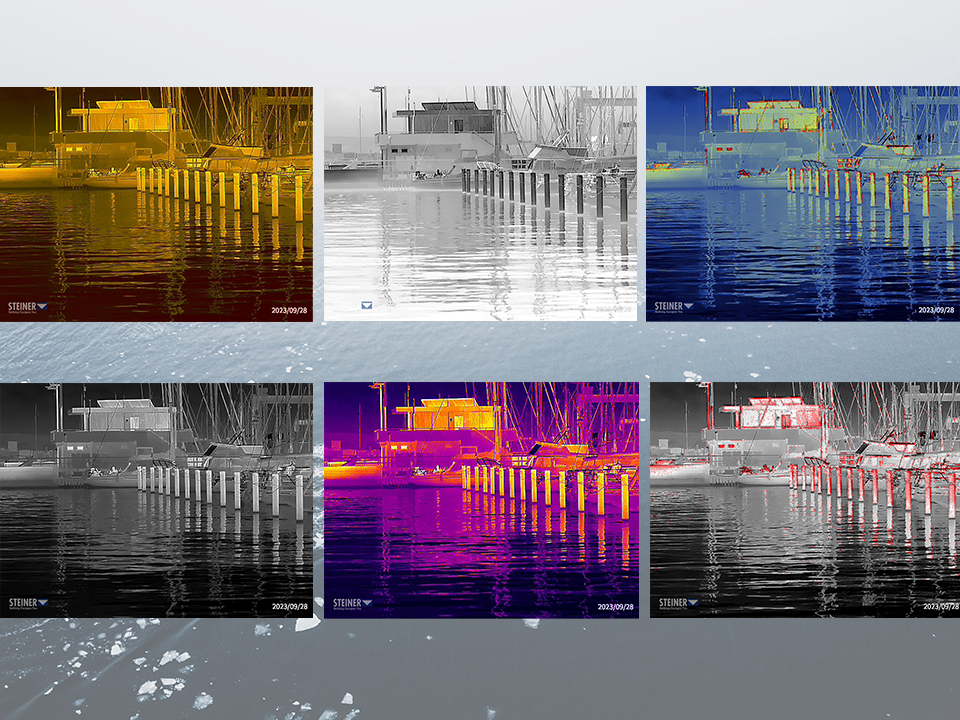
Thermal Imaging Is Changing Marine Safety
One of the biggest developments in marine optics over recent years has been thermal imaging.
A lot of boat owners still assume thermal cameras are military-level technology or something only found on superyachts, but that has changed dramatically.
Modern thermal imaging can now be used for:
- Identifying people or objects in darkness
- Spotting vessels without visible lighting
- Navigating in poor visibility
- Monitoring shorelines and obstructions
- Improving safety during night passages
Thermal technology works by detecting heat differences rather than relying on visible light. That means it can often pick up objects that traditional optics struggle to see at night or in haze.
For search and rescue applications alone, the safety advantages are obvious.
Even from a practical boating perspective, being able to identify markers, moorings or movement ahead in darkness can significantly reduce risk.
Caring for Marine Binoculars Properly
Salt is one of the biggest long-term killers of marine optics.
One of the simplest but most important habits is rinsing binoculars with fresh water after use. People often worry about getting them wet, but proper marine binoculars are waterproof by design. Washing salt residue away helps protect moving parts such as focusing mechanisms and eyecup adjustments from gradually stiffening or seizing.
I also recommend allowing binoculars to dry before putting the lens caps back on. Sealing moisture inside can eventually create problems over time.
A soft optical cloth will help protect lens coatings while keeping visibility clear, and storing them in their protective case helps prolong their life onboard.
Warranties — And Why They Matter
One thing customers are often surprised by is how good some binocular warranties have become.
Hawk, for example, offer a lifetime warranty on certain models, including accidental damage. As long as you can send part of the binocular back, they will generally honour the replacement.
That includes:
- Dropping them onboard
- Physical accidental damage
- Leaving them on the roof of the car and driving off
- General impact damage from normal real-world use
That level of cover says a lot about the confidence manufacturers have in the durability of their products, especially in marine environments where equipment inevitably takes a few knocks over the years.
Advice On Hand
Island Optics supplies a carefully selected range of marine binoculars, thermal imaging and optics from brands including Bresser, Hawk, Fujinon and Steiner, helping boat owners choose equipment that genuinely suits the way they use their boat rather than simply chasing specifications on paper.
If you are in the market for new binoculars, Island Optics have the right choice for every boat owner. Contact Steve via his website: www.islandoptics.co.uk

About Steve Brown
Steve is the founder of Island Optics and has spent years helping boat owners, wildlife enthusiasts and outdoor professionals choose the right optics for real-world use. With a strong focus on marine binoculars, thermal imaging, nature optics and spotting scopes, his approach is based on experience rather than sales jargon — understanding how products actually perform in harsh marine environments and helping customers buy equipment that genuinely suits the way they use their boat.