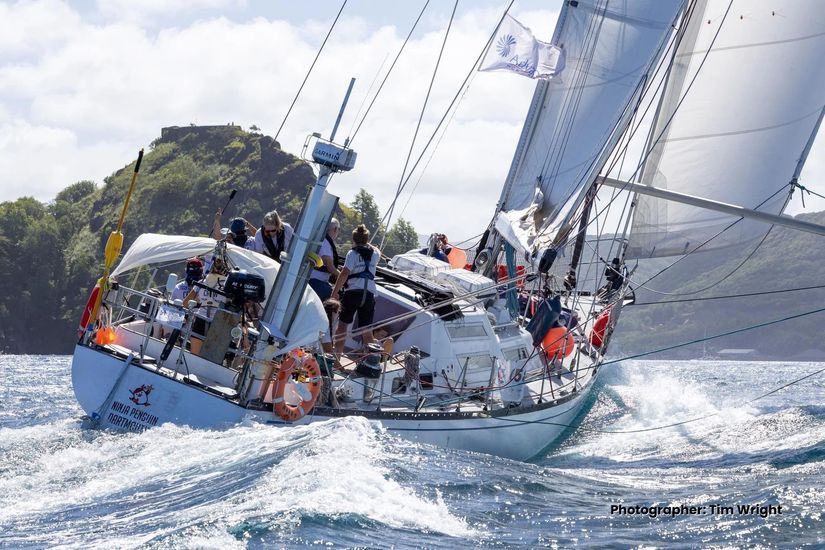
Preparing Ninja Penguin, our Bowman 57 for an Atlantic crossing forced us to confront something we had largely managed rather than solved: power.
When we bought her, she had no solar, no wind generation and no hydrogenerator. Charging came from the main engine and the generator. That arrangement worked in coastal sailing, but offshore — with ten people aboard and serious system demands — it felt exposed.
The generator had previously been intermittent before servicing, which sharpened our thinking. Offshore, reliance on a single charging source isn’t ideal. We weren’t looking to add gadgets. We were looking to reduce vulnerability.
Understanding the Load
Ninja Penguin is a Bowman 57 — heavy, solid and system-hungry. Radar, PC navigation, refrigeration, lighting and continuous device charging are baseline demands. The real draw, however, is the large Type 3 hydraulic autopilot ram. It consumes serious power, especially downwind in Atlantic swell.
We knew that any alternative system had to meaningfully contribute — not simply trickle charge.
Exploring the Options
Solar was the logical first conversation. In practice, on a commercially coded yacht with stability considerations, adding an A-frame isn’t straightforward. It requires structural assessment and time. Rail-mounted panels weren’t realistic on a working deck used constantly by guests. The complication wasn’t the panels — it was the integration.
Wind generation was considered, but noise, aesthetics and stern layout made it less attractive.
Hydro began to stand out because it aligned with how we sail. Offshore, we are moving almost continuously. If you can convert that motion into power, you’re generating day and night, regardless of sun or wind direction.
Why Remoran 3
Once we committed to hydro as a concept, the decision became about execution.
The Remoran 3 stood out for several practical reasons.
First, flexibility. We run a 24-volt bank, and the Remoran 3 automatically senses and adapts to 12V or 24V systems. That removes complexity and allows future configuration changes without hardware modification.
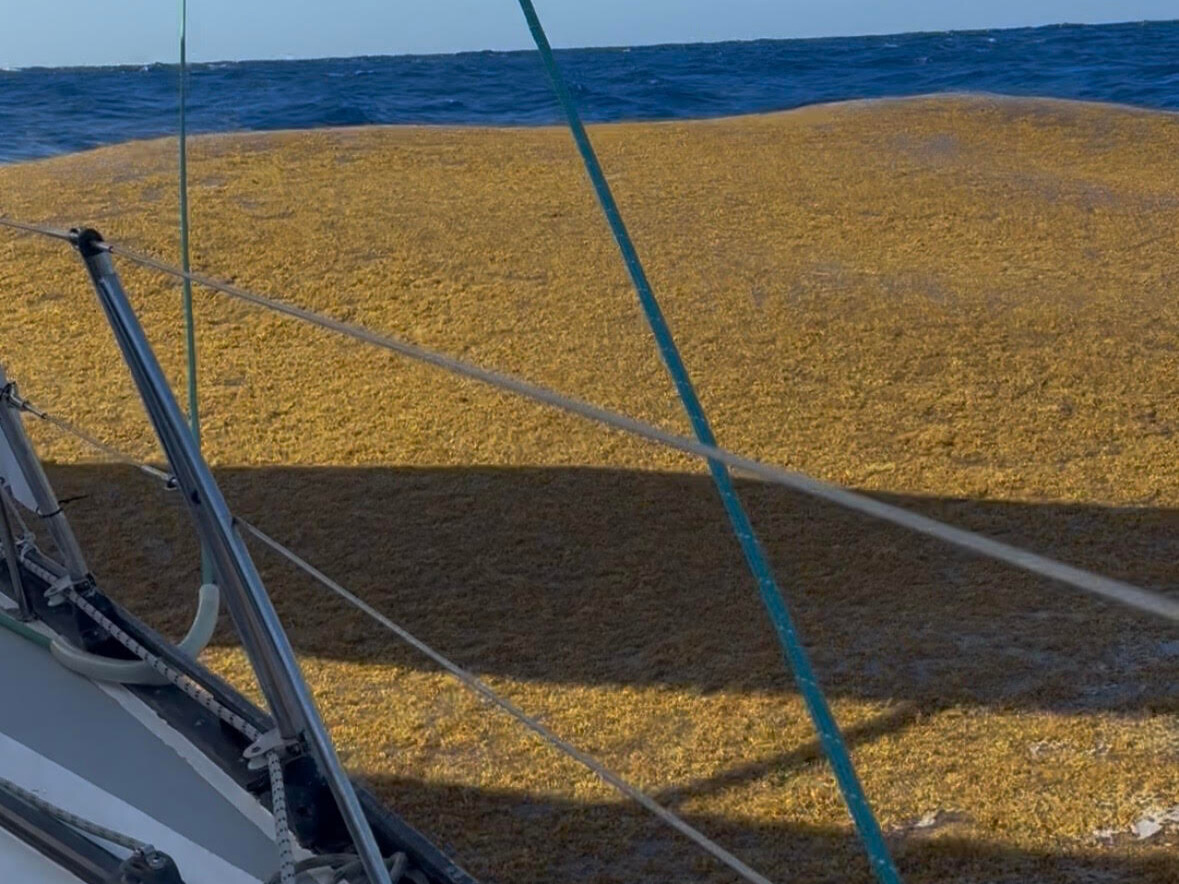
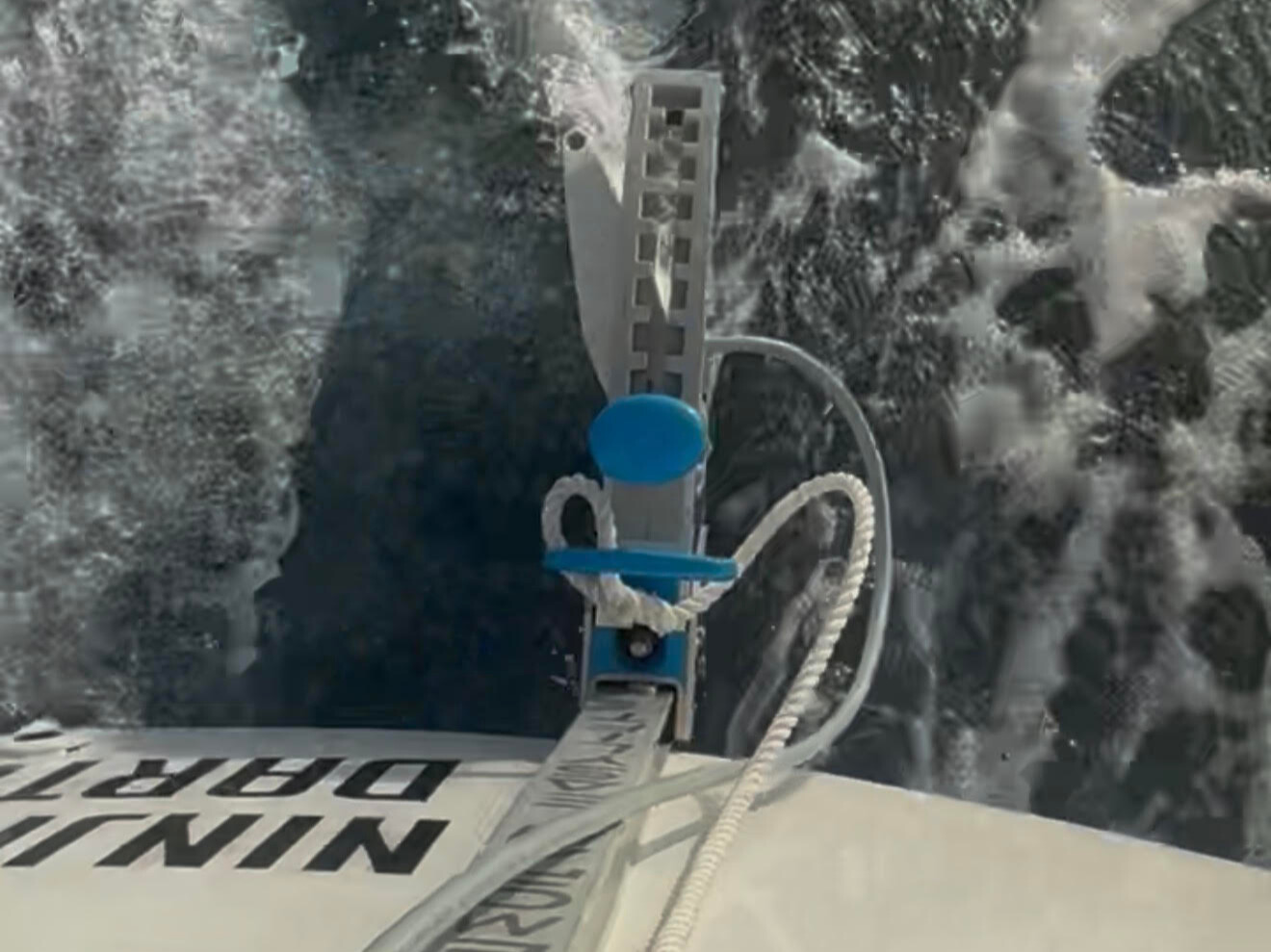
Second, engineering. The unit is robust, compact and designed with offshore reality in mind. During our Atlantic crossing we sailed through extensive Sargassum seaweed fields. Boats around us reported repeated fouling issues with their hydro units. We did not lift ours once.
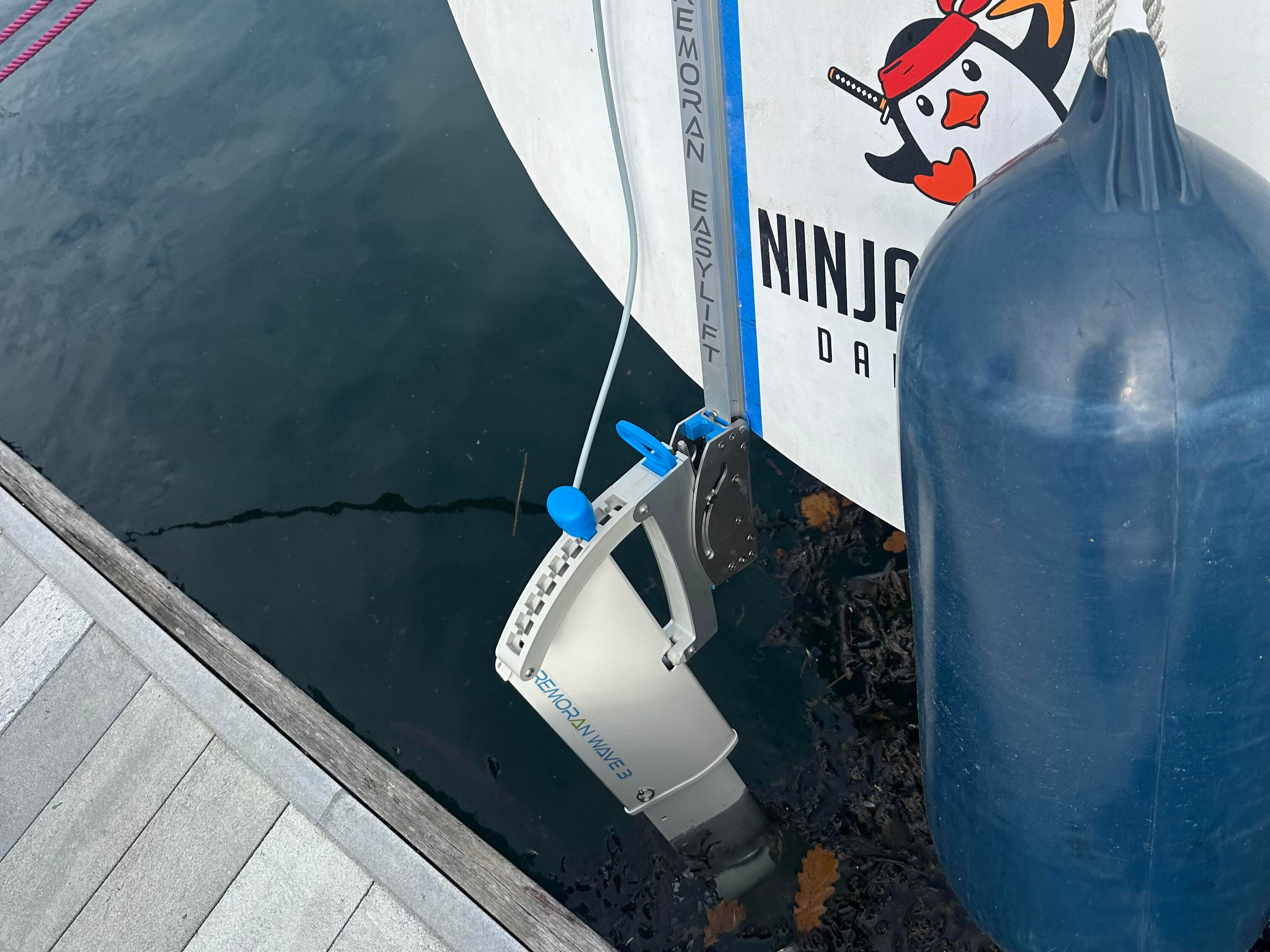
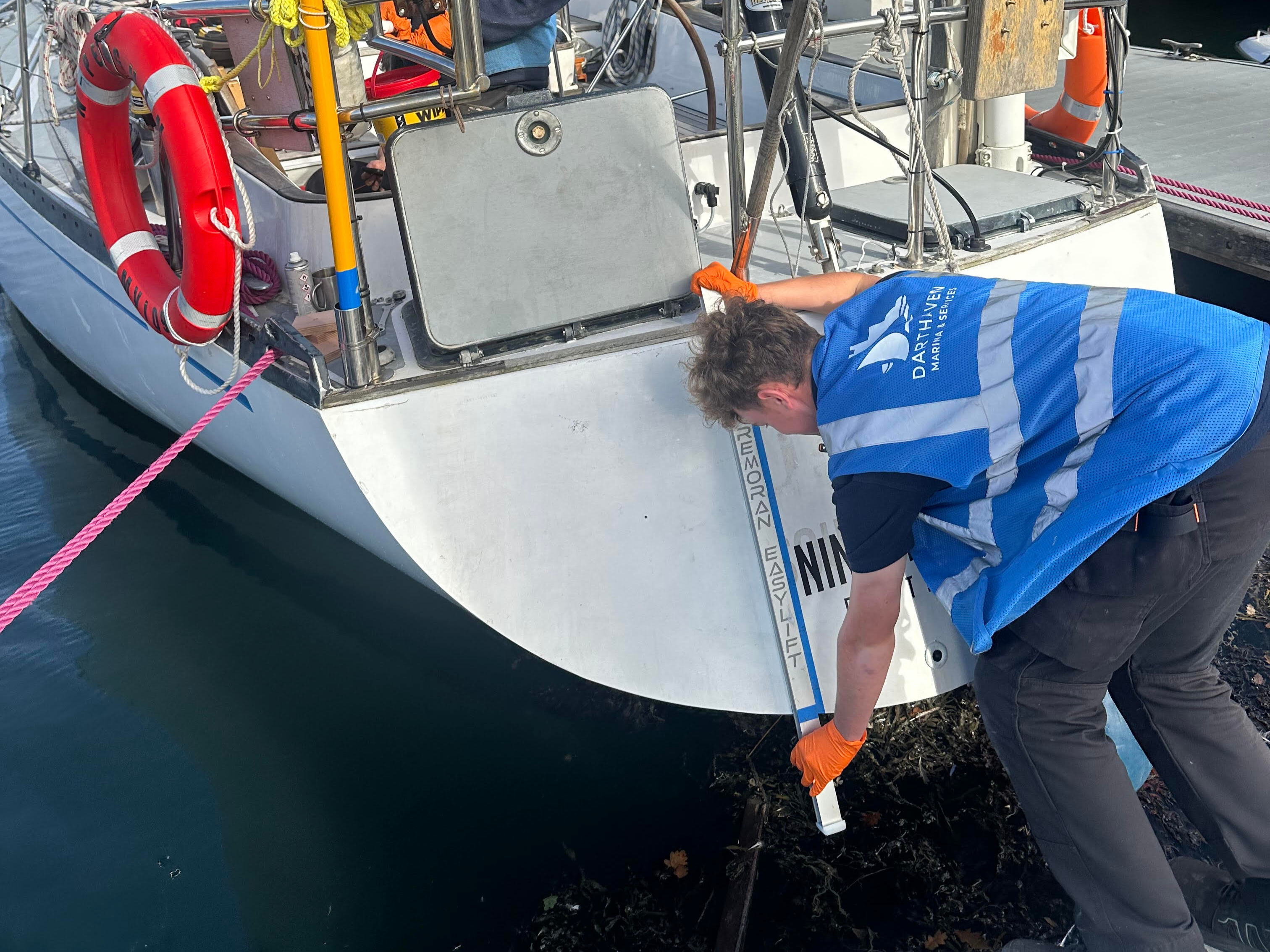
Third, installation. The Bowman 57’s long counter stern limits safe access aft. The Remoran 3’s optional Easy Lift system allows controlled deployment and retrieval from deck level. That single feature transformed it from “possible” to “practical” for our boat.
We worked with Darthaven, authorised installers, alongside Advanced Yacht Systems in the UK. Darthaven approached the installation methodically, templating the stern, confirming immersion depth and ensuring the prop would remain submerged even when heeled. The fitting itself was efficient — around a day and a half of labour — but thoughtfully executed.
Proving It at Sea
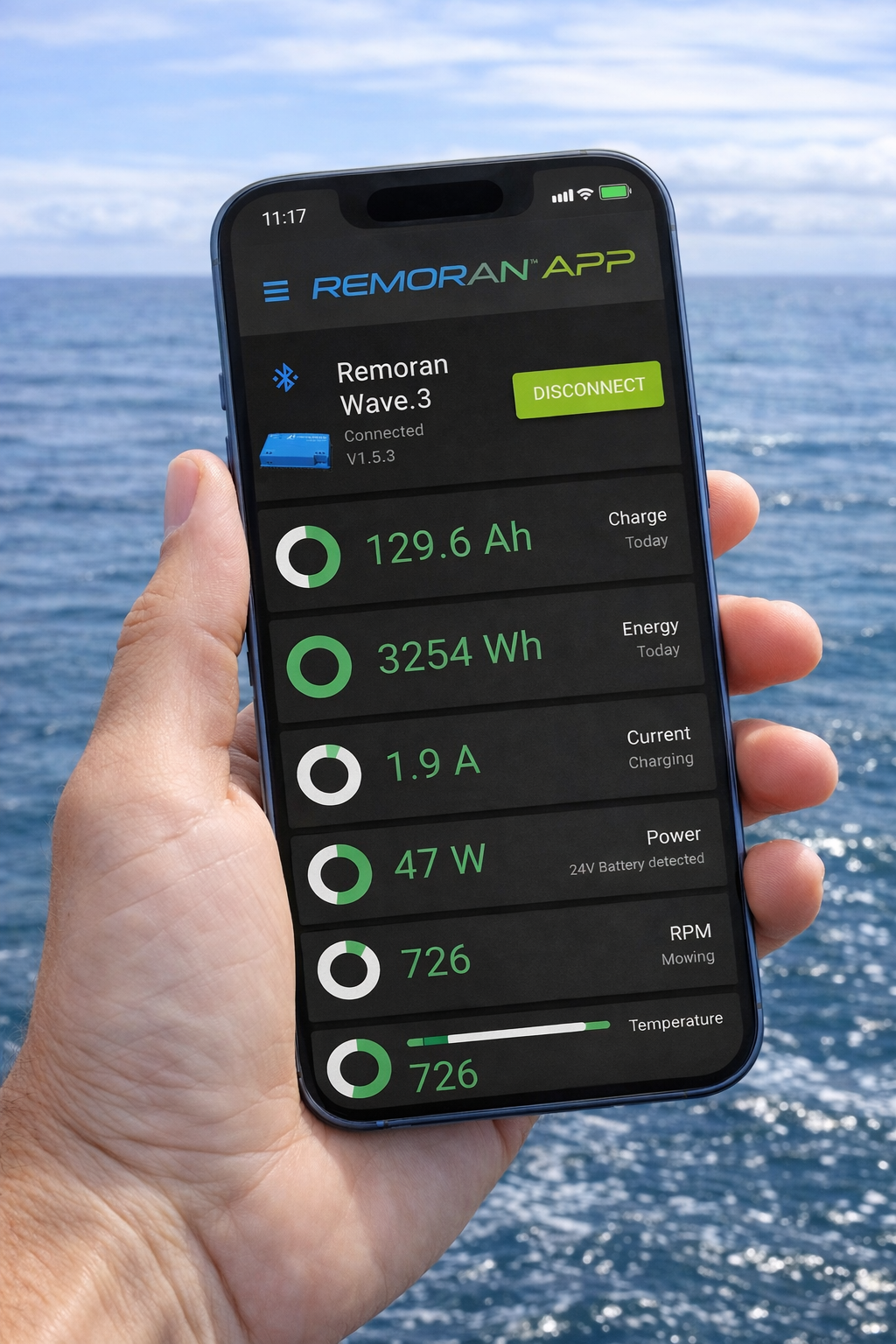
The first meaningful test came on passage to Guernsey. The Remoran 3 covered radar, navigation PC, lighting, VHF and device charging without us running the generator. Once our large hydraulic autopilot was operational, we expected the load to overwhelm it. In practice, unless we were deep downwind with maximum autopilot demand and full crew usage, it sustained nearly all of our needs while sailing.
We still ran the generator for 240V loads, but it shifted from being essential to supplementary.
On the Atlantic crossing, that shift mattered. Generator hours were reduced. Night passages were quieter. The sense of redundancy increased. In heavy downwind conditions with maximum load, we supplemented briefly, but we never felt exposed.
What It Changed
The Remoran 3 didn’t eliminate power management. It changed the equation.
Instead of planning generator runtime, we began asking whether it was necessary at all. Offshore, that is a meaningful difference. Reduced reliance means increased resilience.
If we were planning extended ocean passages again, particularly with sustained downwind legs, we may consider installing a second unit, this would give us redundancy and even more silent power, alternatively we would increase the overall amp hours in our battery bank. For most production yachts with smaller autopilot loads, one Remoran 3 would likely be more than sufficient.
Our Learning Curve
Every offshore system should be evaluated against one question: does it reduce risk?
For us, the Remoran 3 did exactly that. It integrated cleanly, operated reliably and delivered measurable output across an Atlantic crossing.
That isn’t theory. That’s lived experience.
If you’re planning extended offshore sailing and are rethinking your onboard power strategy, it’s worth having a proper conversation rather than making assumptions. Advanced Yacht Systems are the UK specialists behind the Remoran range and can advise on configuration and suitability. For installation, particularly on more complex stern layouts, Darthaven’s team have hands-on experience fitting the system in real-world cruising scenarios. A considered installation makes all the difference.
Disclosure: The Remoran 3 fitted to Ninja Penguin was supplied in partnership with Remoran and Advanced Yacht Systems. As with all equipment we carry offshore, it was selected and installed because, after much research, we believed it to be the right solution for our sailing programme.
Click here for Advanced Yacht Systems website for information on the Remoran 3 Hydrogenerator .
https://www.darthaven.co.uk are approved installers of the Remoran Unit. See here for full list of distributors and fitters.
About Giles & Aly Ridyard
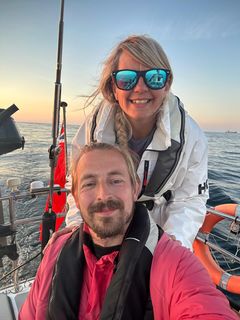
Giles has over 20 years’ sailing experience, holds a Yachtmaster Ocean Commercial CoC, and is also a registered Paramedic. Aly, a midwife, has sailed since childhood and volunteers with The Disabled Sailing Association. Based in Dartmouth with their three children, they have recently completed an Atlantic crossing aboard their Bowman 57, Ninja Penguin. The voyage marks a major milestone as the family moves closer to their long-term goal of combining lifestyle, business and adventure at sea.