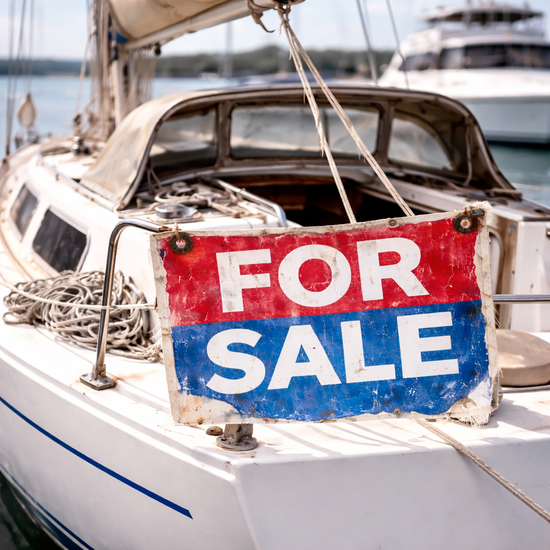
Our step-by-step guide shows how to view a yacht as a buyer, not a browser, applying proper due diligence to spot issues that will bite you in the wallet further down the line.
1. Prepare Before the Viewing
A yacht viewing starts at your desk, not on the pontoon. Read the listing in full. Look for what’s vague, missing, or oddly worded. Check engine hours, inventory claims, and price positioning against comparable boats. If something is already a deal-breaker on paper, don’t waste time viewing it.
2. Arrive With a Clear Objective
You are not there to be sold to. You are there to decide whether the boat is worth progressing to offer and survey. Keep the mindset analytical. First impressions matter because they reveal ownership standards, not because they trigger excitement.
3. Assess the Boat From the Outside First
Look at how the boat sits in the water. Check lines, covers, fenders and general presentation. Poor external care often reflects poor maintenance elsewhere. Walk the deck slowly. Test how safe and practical it feels to move around.
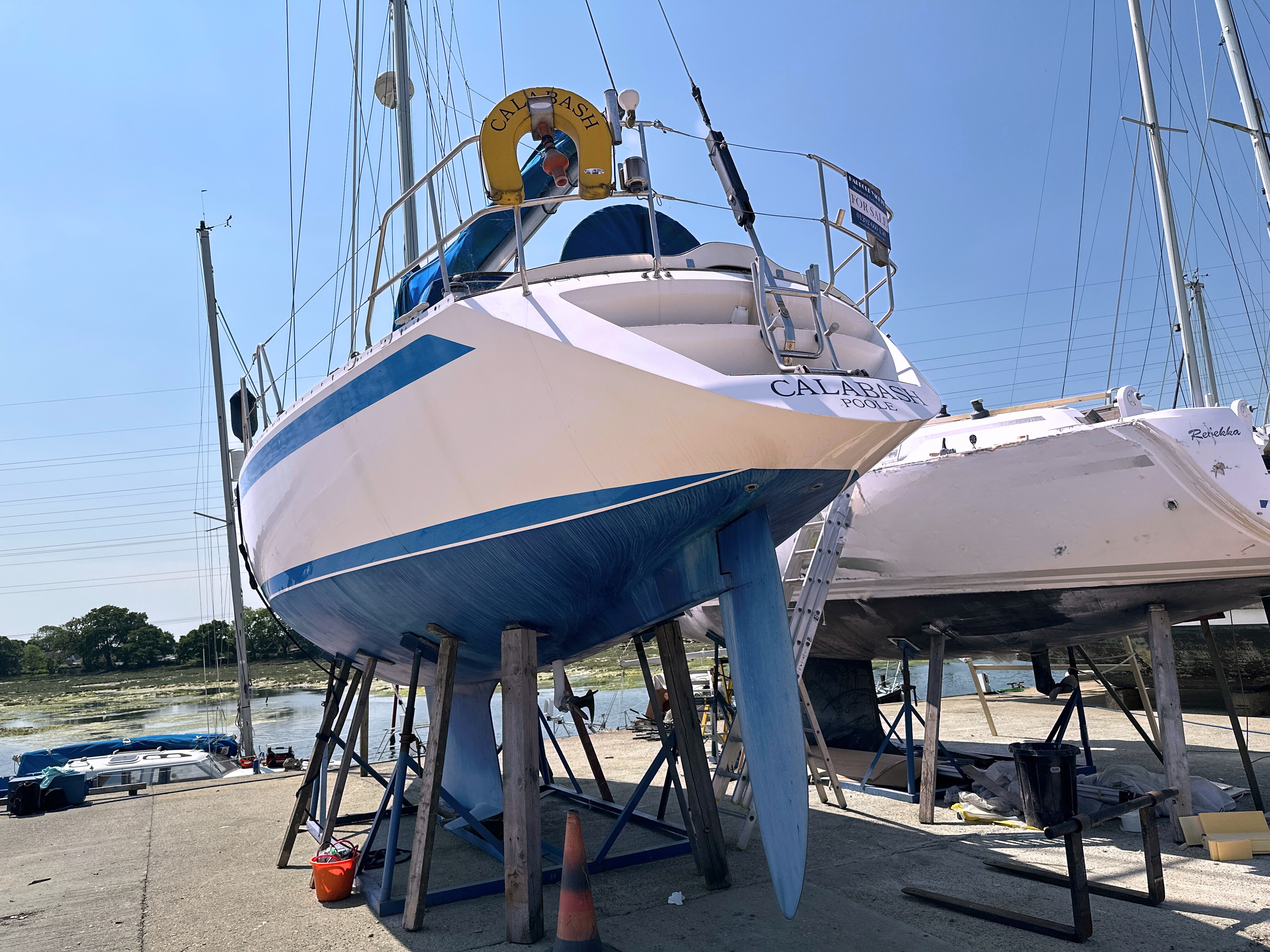
4. Check the Hull for Hidden Repairs and Osmosis
Check for soft spots underfoot, crazed gelcoat, leaking hatches and tired deck hardware. Teak is not just cosmetic. Worn teak is expensive. Fresh repairs should prompt questions about why the work was done.
5. Move Below Decks Methodically
Ignore cushions and styling. Focus on smell, damp, ventilation and access. Open lockers. Lift cushions. Look behind panels. Persistent damp usually indicates long-term moisture issues, not recent weather. Are the hatches or windows leaking? Check that the bilges are dry and that electrical cables are secured tidily with clips.
6. Spend Proper Time in the Engine Space
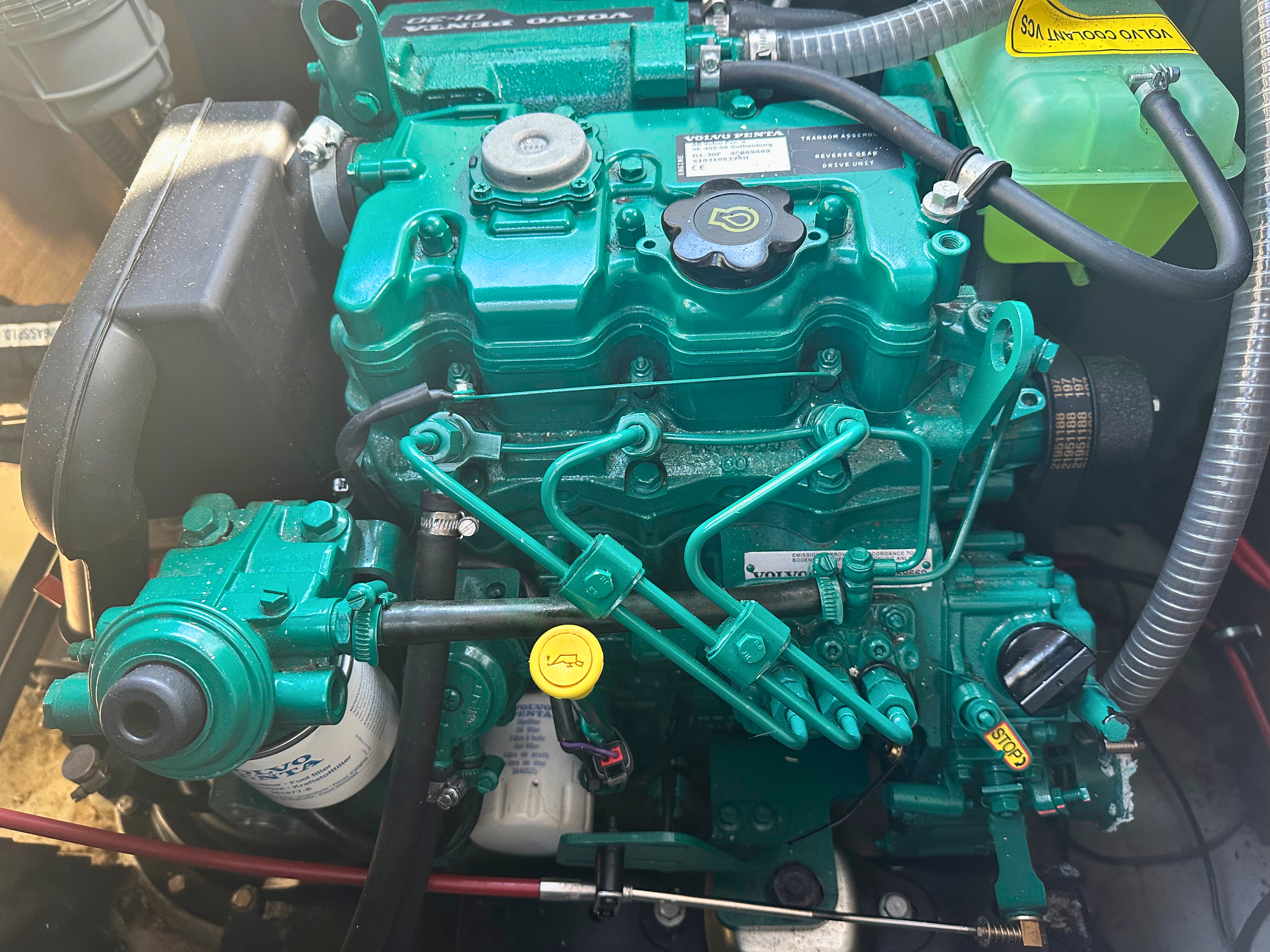
Do not accept a quick glance. Look for leaks, corrosion, salt tracking, cracked hoses and poor access. Ask about service history and usage patterns. A spotless engine can be as concerning as a filthy one if it looks freshly dressed. Get the engine running. If it's running when you arrive that could be a cover up for starting issues.
7. Test Systems and Electrics
Turn things on. Lights, pumps, electronics, heads, heaters. “It worked last season” is not verification. Complexity increases cost and failure risk, especially for first-time owners.
8. Review Paperwork During the Viewing
Ownership evidence, VAT status, service records and major invoices should be available. Missing paperwork is not a minor issue. It affects value, resale and sometimes legal ability to complete a sale.
9. Ask Direct Questions and Listen Carefully
Why are they selling? How long have they owned it? What would they fix next. How answers are delivered often matters more than what is said. Evasion is information. Probe further where the gaps appear.
.png)
10. Do Not Negotiate on the Spot
A viewing is an information-gathering exercise. Take notes. Leave. Compare. Only then decide whether to make an offer or walk away. Emotional decisions made in the cockpit are rarely good ones.
11. Decide Whether the Boat Earns the Next Step
The purpose of a viewing is not to confirm desire. It’s to confirm whether the boat deserves the cost and commitment of survey and further due diligence.
At True North Yachts we give buyers straight technical advice and work with trusted surveyors to help you buy with confidence. Get in touch before you commit — a second opinion now can save you a costly mistake later.

About Claire Lindquist
Owner and creator of True North Yachts with a passion for getting people out on the water safely. I have sailed as a liveaboard, a cruiser and a racer, from dinghies to bluewater yachts. I have technical background in the industry and a curiosity for boating innovations as well as an appreciation for classic crafts. When ashore you'll find me in boatyards, usually up a mast or crammed into an engine room. Away from boats, I recharge with coastal walks which keeps me grounded and always connected to the sea.