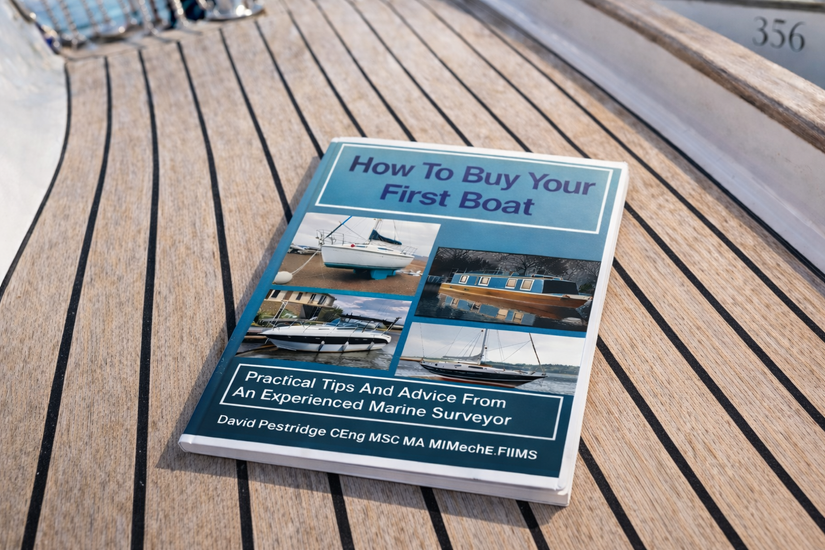
The Starting Point
Buying your first boat is exciting. It is also one of the easiest ways to make an expensive mistake if you rely on emotion rather than process. A boat is not a car. It is a floating asset operating in a corrosive environment, often with complex systems and layered ownership history. Due diligence is not optional.
This guide sets out the practical steps every first-time buyer should follow before committing to a purchase.
From the Army to Marine Surveying
I have been a small craft marine surveyor since leaving the British Army in 2008. I was coming to the end of my military career as an engineering officer in the REME (Royal Electrical and Mechanical Engineers) and was running the amphibious trials for RFA Mounts Bay, first of the Bay Class ships, ahead of deployment to Sierra Leone. During a conversation over a cuppa, the ship’s Chief Engineer asked what I planned to do when I left the military. I didn’t have a clear answer. Having got to know me, he said it was obvious: “You’re a Chartered Engineer and a Yachtmaster — become a marine surveyor.”
I looked into what it involved, liked what I read and enrolled on the IIMS Yacht and Small Craft Surveying Diploma. Nearly twenty years later I am still “Helping People Understand Boats Better.”
Why Engineering Matters When Buying a Boat
Boats are complex machines, even the ones that appear basic. As a Chartered Mechanical Engineer I have always been interested in how things work — what makes something strong or light, flexible or stiff, and how mechanical systems interact. Over time you develop a natural feel for what looks right. That instinct applies whether assessing the size of an anchor chain for a yacht or whether a battery bank is adequate for a narrowboater’s needs.
That engineering foundation enables me to help buyers purchase the right boat for them, in the right condition and at the right price. Understanding systems and structural integrity isn’t about being critical; it’s about understanding consequences.
-1.JPG)
Why I Wrote How To Buy Your First Boat
Many of my clients are first-time buyers and I found myself answering the same questions repeatedly. I wrote the book to address those common concerns in one place and give buyers a clearer framework for decision-making.
In approximately one in twenty pre-purchase surveys I recommend that a client walks away because the defects identified are simply too significant for their budget or skill level. If the book helps first-time buyers narrow their shortlist more effectively and avoid reaching the point where a survey concludes “walk away”, then it has done its job.
The Emotional Trap Buyers Fall Into
We all recognise the excitement that comes with viewing a potential purchase, whether that is a house, a car or a boat. The difficulty is that excitement can cloud judgement. It is very easy to fall into the “Ooh, aren’t the cushions pretty” trap while overlooking leaking windows, doors that don’t close properly or the smell of mould disguised by three air fresheners and a pot of coffee.
A key part of buying a boat is determining what vessel is genuinely right for your plans, your skills and your budget. If you are joining a J109 racing fleet, you likely understand the design, its performance characteristics and its known weaknesses. If your ambition is to buy a liveaboard narrowboat and cruise the canals, you may be starting from a much weaker knowledge position. Clarity about intended use allows you to filter adverts properly and decide which boats are genuinely worth viewing.
Buy the Boat That Fits Your Plans, Skills and Budget
This principle underpins every good purchasing decision. If you want to use a cheap drying mooring in a river, you need twin bilge keels so the boat can rest safely. If you plan to cross oceans, you will be looking for a Category A yacht. The boat must also match your ability. Do you have the time and experience to take on a project vessel with a long to-do list, or would you prefer to pay more for something ready to go?
Cost is another critical factor. The purchase price is only part of ownership. Insurance, fuel, servicing, maintenance and mooring fees quickly accumulate. As the old maritime joke goes, you can have performance, comfort or price — but not all three.
Red Flags Every Buyer Should Check
There is no such thing as a perfect boat. Every design is a compromise. However, certain checks are essential.
First, confirm there is a clear paper trail. Bills of Sale, SSR (Small Ships Registry) documents, invoices and licences establish provenance and ownership. Second, check the hull identification number and confirm it matches the paperwork. Post-1998 boats should have a standard 14-character WIN (Watercraft Identification Number) on the starboard aft quarter. Learn how to read it; it tells you more than you might expect. Older boats may carry non-standard hull numbers, but a boat with no identifiable number at all should raise concern.
Insist on a detailed written inventory. It is not uncommon for a boat to be presented fully equipped and then handed over missing valuable items. If it is not listed, do not assume it is included.
Finally, use all your senses. Damp, mould and rot are often obvious if you pay attention. Rust leaves visible evidence. Oily tide marks in bilges tell a story. If you lack experience, take someone knowledgeable who is not emotionally invested in the purchase.
What a Survey Really Protects You From
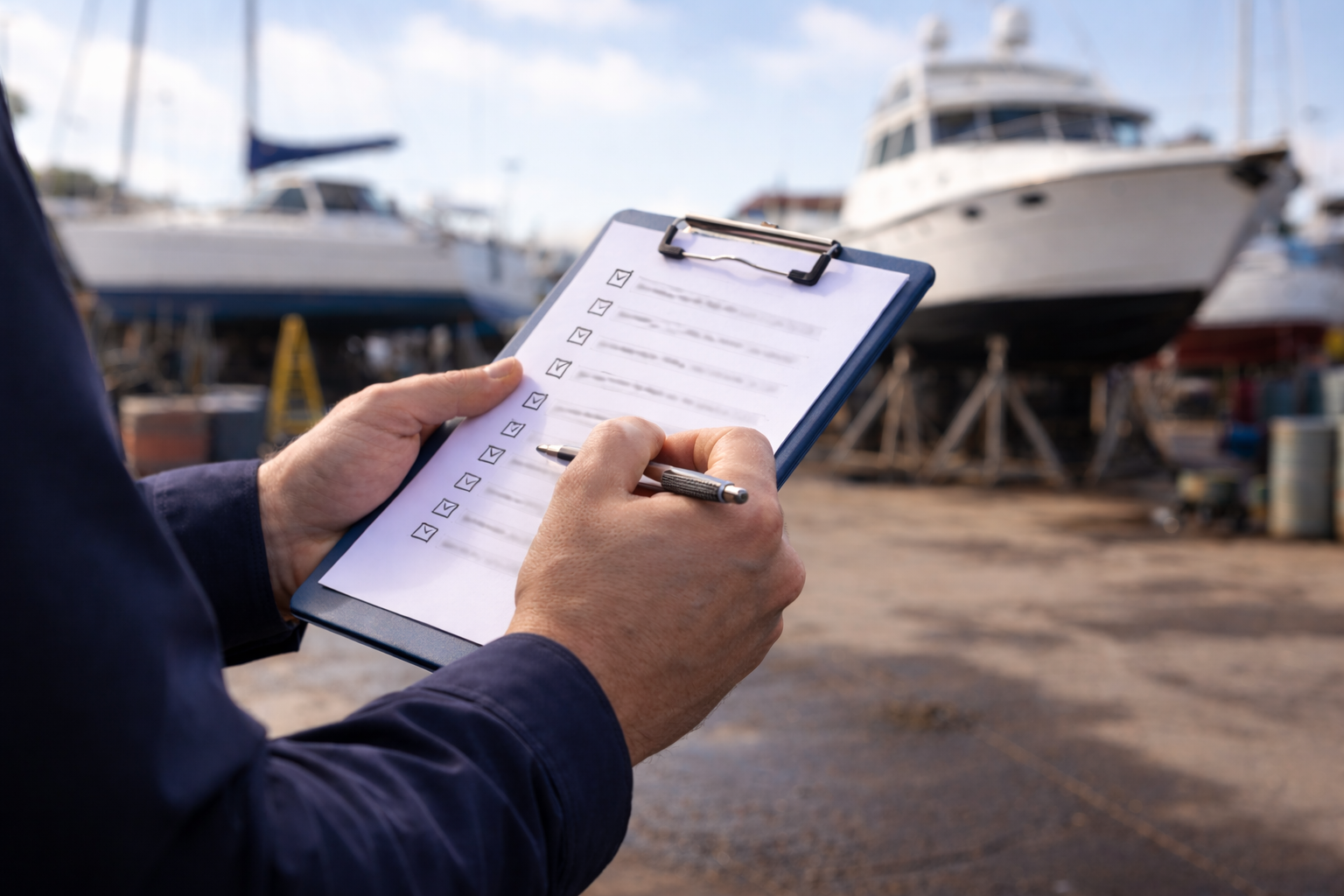
The primary purpose of a marine survey is to prevent you from buying an expensive lemon. A pre-purchase condition survey aims to access and test as much of the boat as reasonably possible. Like boats themselves, surveys are a compromise. Absolute certainty would require dismantling the vessel, which is neither practical nor realistic.
Sea trials may not be conducted in ideal conditions. All sails may not be hoisted if wind conditions are unsuitable. Without shore power, the 240V system cannot be fully tested. Understanding these limitations helps interpret the caveats in any report.
A good survey should provide a prioritised list of defects and give you a realistic understanding of cost implications. That information strengthens your negotiating position and, if necessary, may provide recourse through professional indemnity insurance if a significant issue later emerges that should reasonably have been identified. However, the final decision to proceed must always remain yours.
The Most Expensive Mistake
In my experience, the costliest mistake is failing to commission a pre-purchase survey. I often receive calls that begin, “I’ve just bought a boat and my insurance company wants a survey.” On steel-hulled vessels this may require a full ultrasonic thickness survey, which can reveal significant plate thinning. On a narrowboat, rectifying a thinned bottom plate can exceed £10,000. On yachts, aged standing rigging may require replacement at considerable cost.
Sometimes the issue is not one major defect but a long list of smaller jobs whose combined cost becomes substantial.
Staying Rational
Buying a boat should be a positive experience, but it must also be a rational one. A surveyor adds value because they are not emotionally involved. Their role is to protect your interests and your capital.
I once advised a client who intended to use a motorboat exclusively above Teddington Lock on the Thames. The vessel they were considering had twin 5.7 litre MerCruiser engines and would make five knots with one engine idling. It was entirely the wrong boat for their intended use, regardless of how impressive it might have looked moored outside their home.
Final Lessons
If readers take two key lessons from the book, they should be these. First, consider carefully whether you need a survey and, if in doubt, engage an experienced, qualified and accredited surveyor before committing. Second, ensure your boat is safe for you, your family and your crew. That may involve attention to carbon monoxide alarms, bilge pumps, lifejackets and electrical systems.
Boats are complex and can be dangerous. Understanding the risks and being honest about what you do not know is essential. My mantra for life is simple: Every Day Is A School Day. If you do not understand crevice corrosion, learn. If you cannot perform basic engine checks, learn. If you are unsure what a southerly cardinal mark indicates, learn. If you do not understand a basic electrical circuit, learn.
Most importantly, enjoy the process. As Ratty says in The Wind in the Willows, "there is nothing — absolutely nothing — half so much worth doing as simply messing about in boats."
Download ‘How To Buy Your First Boat’ for free here:
https://boatchat.beehiiv.com/products/how-to-buy-your-first-boat
Follow David's YouTube Channel for surveyors' insights and what to expect from a boat survey:
https://www.youtube.com/@whitehatmarinesurveying
Our top choice for a first time buyer is this Moody 30 with a new engine fitted in 2022, benefiting from full canvas enclosure and nav upgrades. https://truenorthyachts.co.uk/boats-for-sale/yacht/moody-31-250806
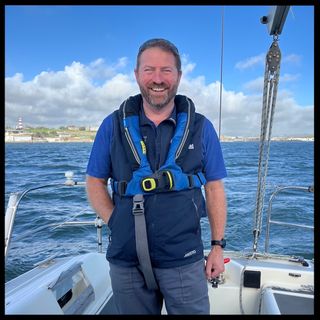
About David Pestridge
David Pestridge of White Hat Marine Surveying has been surveying yachts, motorboats, narrowboats and barges and advising boat buyers since 2008. He is a Chartered Engineer and a Fellow of the International Institute of Marine Surveying. His mission is ‘Helping People Understand Boats Better’. He does that through his YouTube channel, regular posts on LinkedIn, his Boat Chat newsletter and boat buying guides. https://www.youtube.com/@whitehatmarinesurveying https://boatchat.beehiiv.com