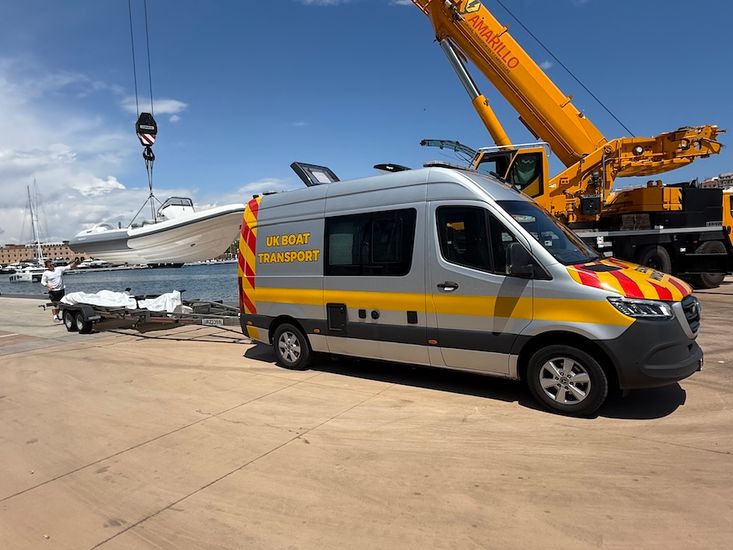

Boat transport is one of those things people assume is straightforward. On paper, it’s just a boat on a trailer. In reality, it’s a tightly timed logistics exercise where preparation, communication and access matter just as much as the miles covered.
Talking to UK Boat Transport, it becomes clear very quickly that most transport problems don’t happen on the road at all. They happen around the move.
Who they work with — and what they actually move
UK Boat Transport operates across the full spread of the marine industry. Private owners make up a significant part of our workload, but we also work extensively with brokers, dealers and manufacturers.
We handle all transport for Swallow Yachts, moving boats destined for private owners throughout the UK and Europe, and carry out a large volume of work for Ribeye, primarily transporting superyacht tenders. Alongside this, we regularly move commercial craft, including patrol boats and specialist vessels for companies such as Ribcraft and Cheetah Marine.
This isn’t niche work. It’s everything from small sailing yachts and RIBs to motorboats and serious commercial kit.
Why road transport is often the smarter choice
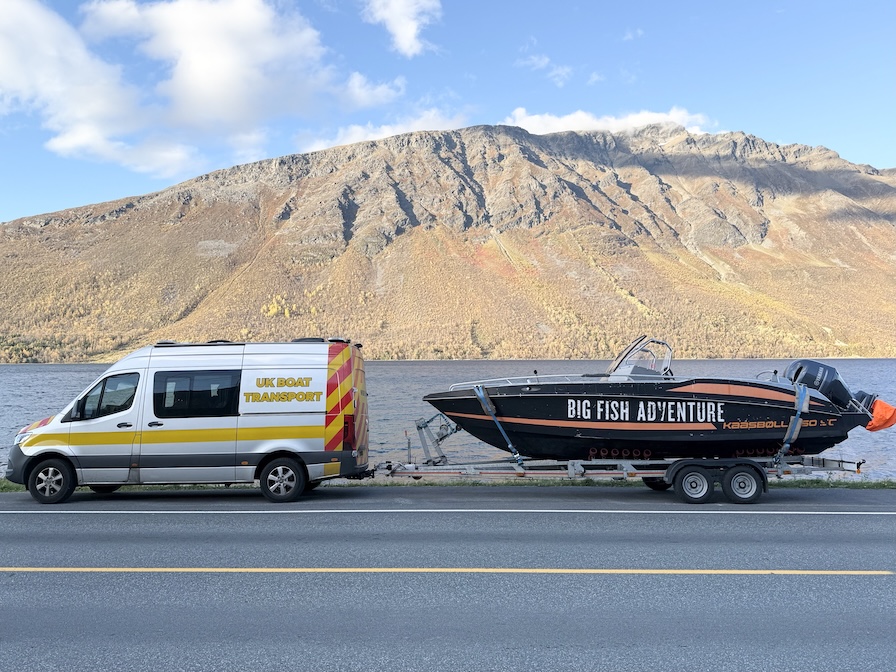
For boats up to around 29 feet and approximately 2.7 tonnes, road transport is usually the most efficient option.
It’s faster, more cost-effective, less weather-dependent, and avoids the risks associated with delivery by sea, such as crew availability, passage wear and unpredictable delays. New boats are an obvious case, particularly those built inland where road transport is the only practical option.
For most owners in this size range, road transport isn’t a compromise. It’s the sensible choice.
What makes up the cost of boat transport
Pricing a move is straightforward, provided the information is accurate. Dimensions, weight, and precise collection and delivery locations are essential. Without these, any quote is an estimate at best.
What often catches owners out is assuming marina or yard costs are included. They’re not. Transport quotes cover the move itself, not lift-outs, launches, preparation or yard handling at either end. These costs need to be arranged separately, although in some cases slipways can be used to reduce overall expense.
Insurance: covered, but not complacent
UK Boat Transport carries goods-in-transit insurance up to £250,000, covering damage that occurs as a direct result of transportation. We still advise owners to keep their own insurance in place.
This isn’t about shifting responsibility. It’s about ensuring there are no gaps in cover if something unexpected happens. Transport insurance protects against transport damage; it doesn’t replace a vessel’s broader policy.
Preparation: where most problems start
If there’s one recurring issue, it’s preparation, or more accurately, the lack of it.
Unsecured gear, masts dropped onto decks with loose rigging, covers and sprayhoods left in place, lines and fenders still attached, radar arches, light masts, aerials and wind generators not lowered — these are routine findings. None of this is unusual. It’s what transport crews encounter every week.
A common scenario is that buyers assume the seller or broker has handled preparation, while the seller has mentally checked out once the deal is done. Transport crews arrive to boats that simply aren’t ready to move.
The result isn’t just frustration. It causes delays, additional charges and knock-on problems at the delivery end. In one recent case, four hours were spent on site making a boat safe to transport, time that then rippled through the rest of the schedule.
Marina and boatyard access
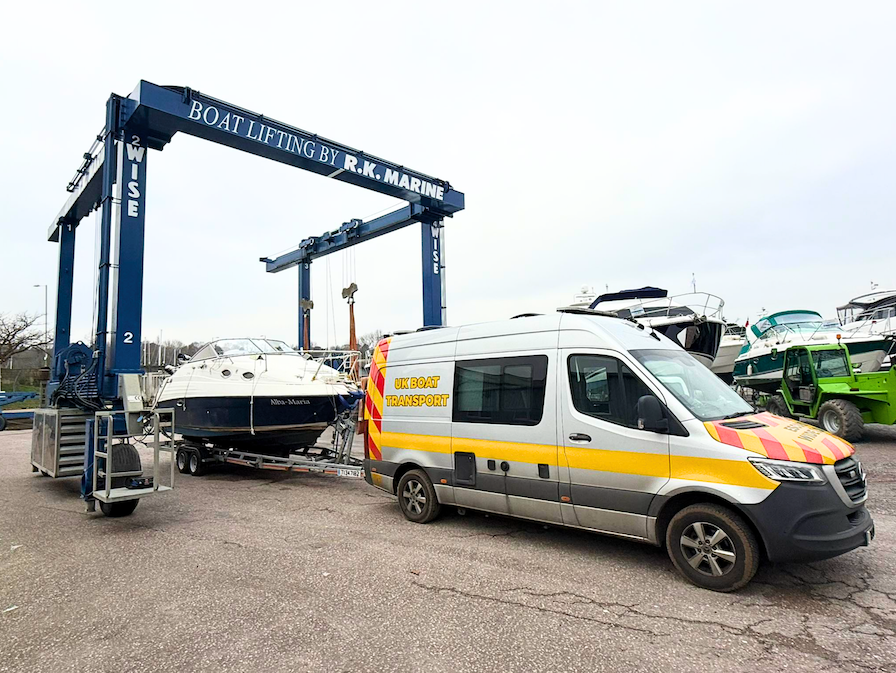
Access issues are another frequent cause of disruption. Some marinas and boatyards have restrictions that aren’t obvious until arrival. In some cases, the receiving yard hasn’t even been informed the boat is coming.
That’s how boats end up being diverted to entirely different yards just to get them off the trailer. Access is a logistics issue, not an afterthought, and it needs confirming at both ends before a date is booked.
Going international: where it gets more complex
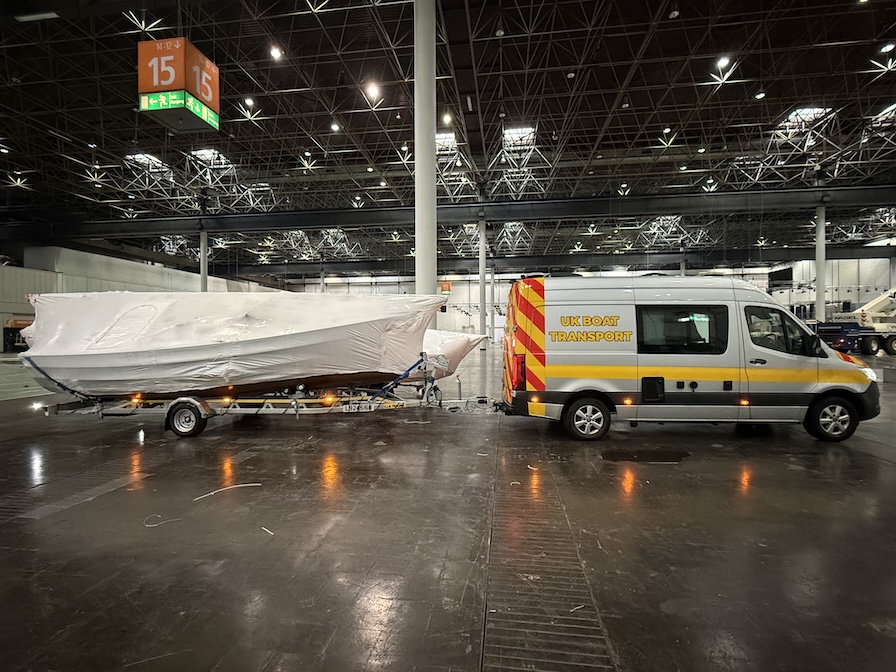
Once transport crosses borders, customs comes into play. Export and import declarations, along with any VAT liabilities, need to be aligned with the physical movement of the boat.
UK Boat Transport works closely with specialist customs agents to manage this process, keeping everything structured and compliant. It isn’t difficult, but it does need to be planned early.
What Separates a Smooth Move from a Costly One
Boat transport itself is rarely the problem. Delays and additional costs usually come from assumptions, missing details and poor coordination between owners, sellers, brokers, yards and transport crews.
When those moving parts are aligned, transport becomes predictable and efficient. That’s where an experienced operator makes the difference. UK Boat Transport’s drivers bring years of specialist boat-moving experience, and that experience is what turns a complex move into a straightforward one.
Get in touch - UK Boat Transport are the first call for national and international boat movements. With bases in Lymington and Plymouth, they are happy to talk through your boat-move plans and provide an estimate.
Plymouth 01752 911910
Lymington 01590 390490