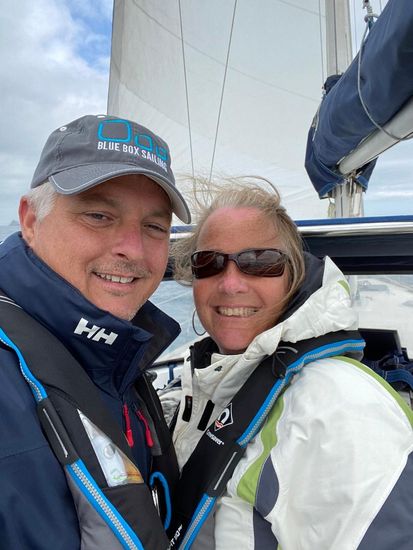
What sailing experience did you have before buying your first boat?
I came into boat ownership with some sailing background. I sailed from a young age — we owned an Enterprise dinghy when I was growing up, sailed on reservoirs, and I had informal tuition from a family friend who was a qualified RYA instructor. I also learned a lot from an uncle who was largely self-taught but had completed Competent Crew courses.
Alongside that, I’d spent plenty of time afloat on family holidays, both sailing yachts and cruisers, including trips on the Caledonian Canal, the Norfolk Broads, and in Ireland. Jayne, however, had no sailing experience at all when we started looking, which influenced many of the decisions we made.
What led you to decide to own your own boat?
I’d always liked the idea of owning a boat. The appeal came from early experiences on the water — quiet anchorages, the sense of achievement when everything goes well, and the satisfaction of handling a boat properly.
The final push came during the Covid lockdowns. A Competent Crew course Jayne and I had booked in Greece was cancelled twice and, with much less travel for work, we found ourselves in a position to act sooner than expected. Taking Jayne to the Southampton Boat Show and seeing her enthusiasm confirmed that this was something we could do together.
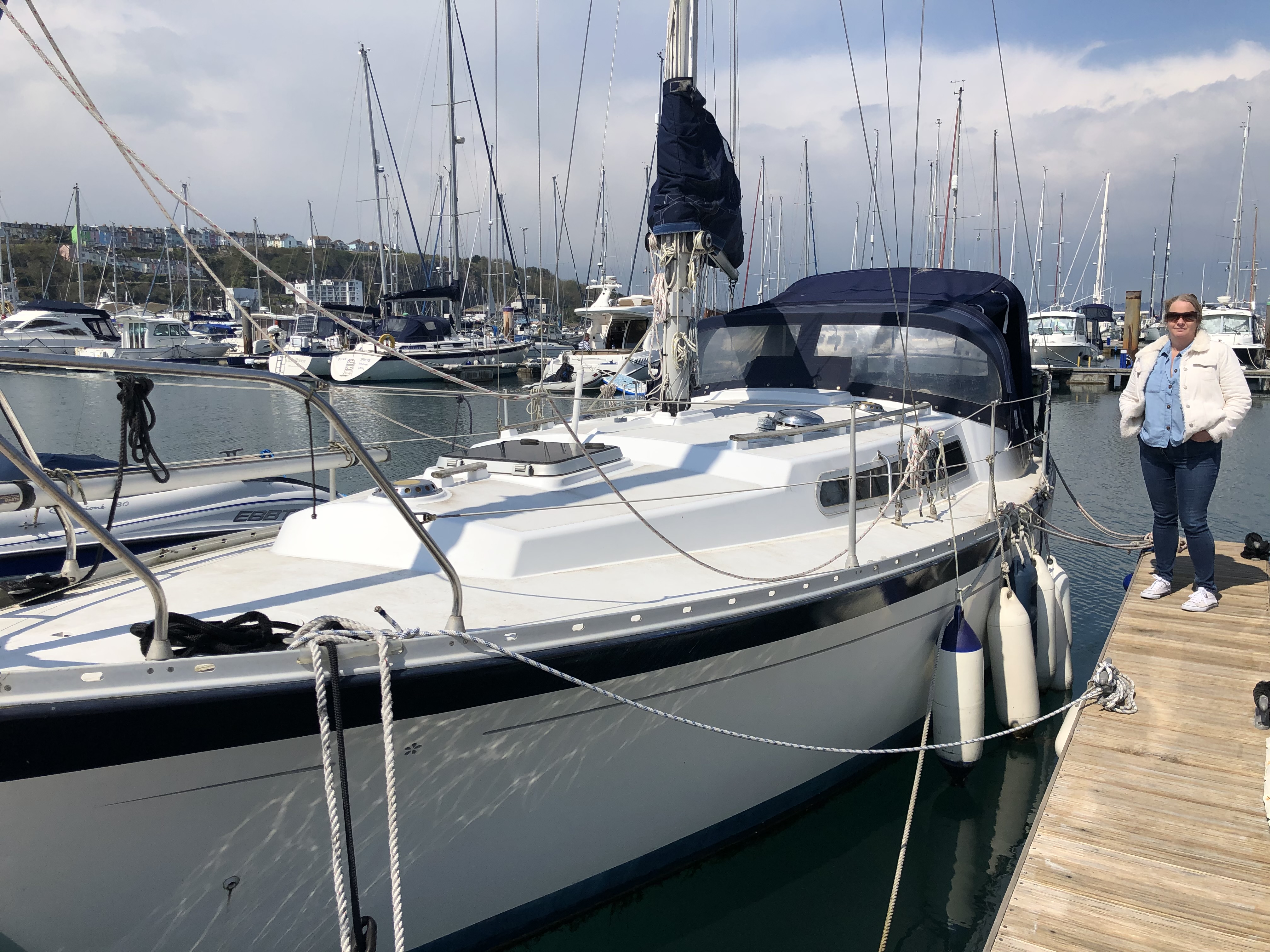
Budget was a factor, but timing was just as important. We wanted a boat that was ready to use at the start of a season, rather than something that would need months of work before we could enjoy it.
Size and stability were critical, particularly because Jayne was new to sailing. We were looking for something that felt reassuring and manageable, but still comfortable enough for weekends and longer coastal trips.
What were your non-negotiables?
Our biggest rule was not to get carried away.
We didn’t want a first boat that was too big to handle or too expensive to run. Having at least five berths mattered so family could join us, and condition was far more important than age or brand. We wanted something fundamentally sound, not a major project.
While we liked the idea of doing smaller maintenance jobs ourselves, we were realistic. We don’t live close to the boat and have busy work lives, so larger annual jobs — such as antifouling and polishing — were always likely to be done professionally. That’s a cost first-time buyers really need to factor in early.
How many boats did you view, and what ruled them out?
We spent months researching online to understand what our budget would realistically buy, then viewed several boats of similar age and size — including a Dufour, a Beneteau, and a Moody.
Externally, all showed the usual wear you’d expect from coastal boats of that age. Internally, the differences were much more noticeable. Worn upholstery, tired surfaces, and in one case damp and neglect, quickly ruled boats out.
That process taught us that condition below decks matters far more than cosmetics on deck.
What made you decide on Southern Drifter?
Southern Drifter stood out almost immediately. Her cockpit was spacious without feeling exposed, even with several adults aboard, and the hull shape felt reassuringly stable — which was important at the time.
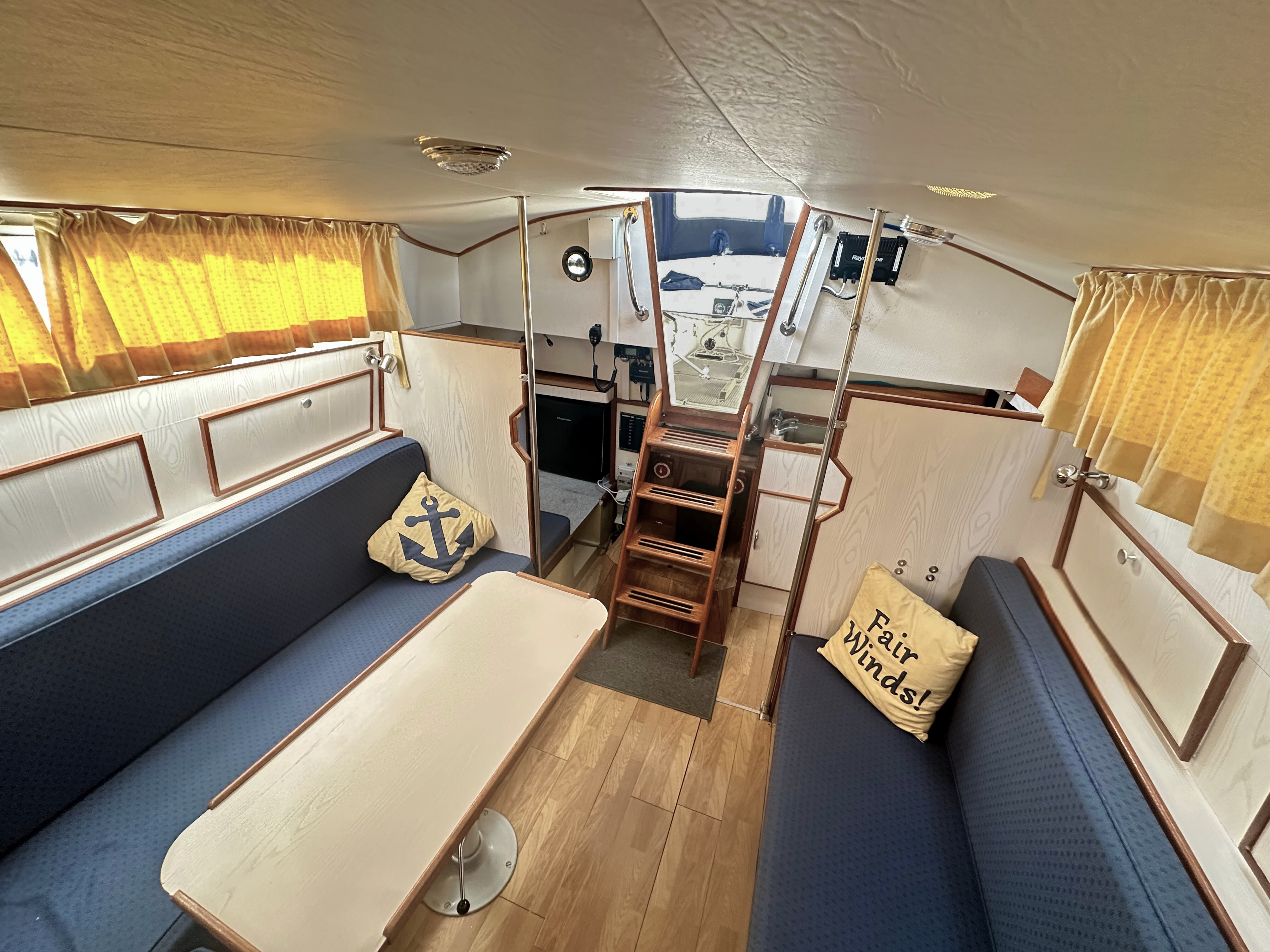
Below decks, the layout worked well for how Jayne and I wanted to use the boat, and features like the elongated window line made her feel like a bigger boat than she was. Her location in Brixham also aligned perfectly with where we wanted to be based.
Was the buying process straightforward?
Yes — very straightforward. We’d taken the time to understand how buying through a brokerage worked, and the transaction went smoothly.
The previous owner had kept good records, which made transferring documentation simple. There were no real surprises, which reinforced the value of doing your homework early.
Did you have a realistic understanding of ownership costs?
We had a clear idea of berthing costs from the outset and had read extensively about both expected and unexpected ownership expenses. Sailing magazines, online articles, and owner experiences helped build a realistic picture of what to expect.
That preparation paid off. While some costs still make you pause when they arrive, nothing came as a shock.
What were the first things you changed once the boat was yours?
We focused on practical cosmetic upgrades first — new fenders, mooring lines, and a stack-pack mainsail cover. Nothing dramatic, but enough to make the boat feel properly set up and more personal straight away.
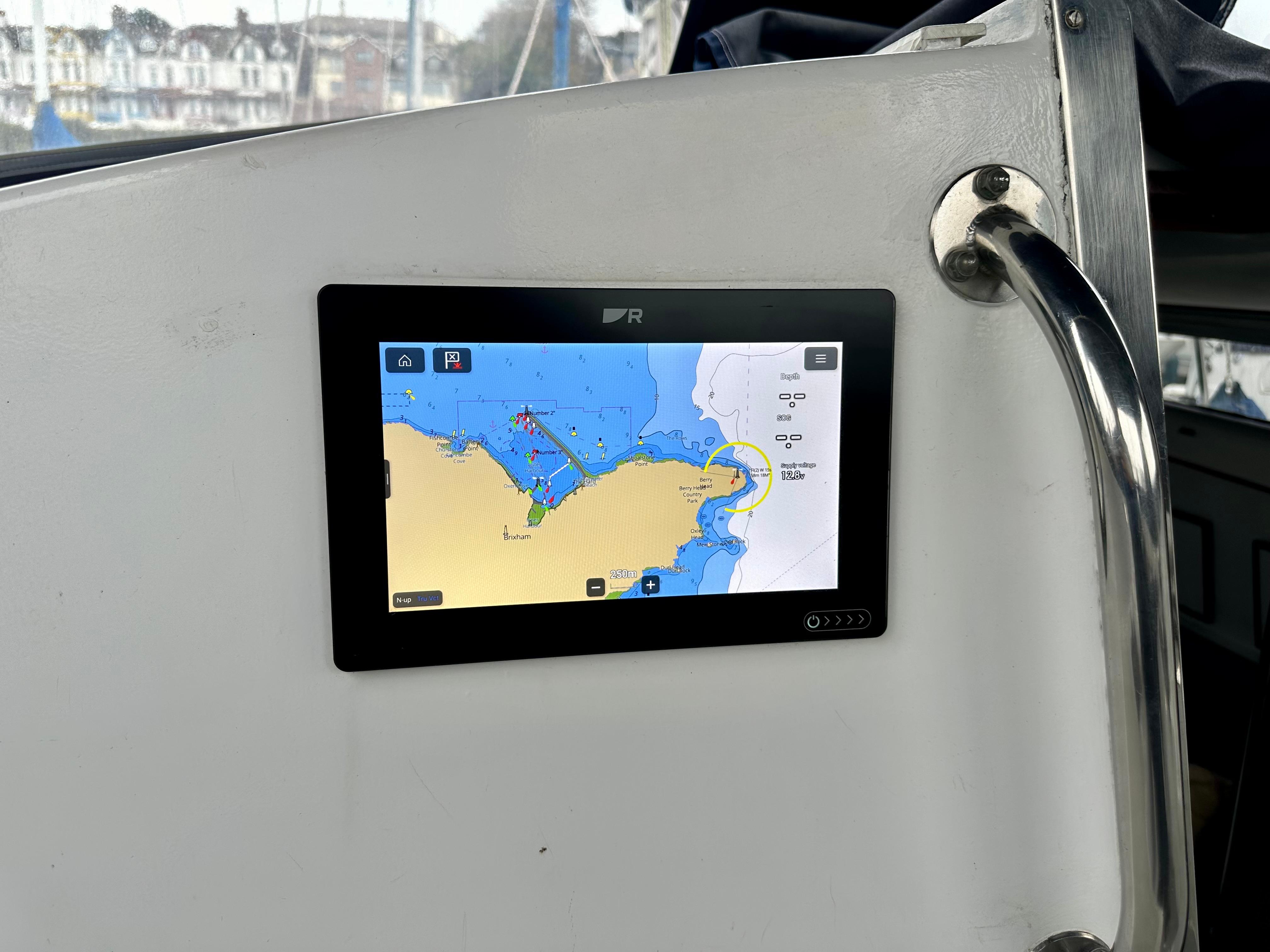
More recently, we upgraded the navigation electronics with Raymarine instruments, which has made passage planning and navigation far more straightforward.
What has been the biggest learning curve for you?
Without question, learning to properly understand and respect the weather. We quickly realised that confidence doesn’t come from pushing on regardless, but from planning conservatively and knowing when to change plans.
Alongside that, ownership forced us to develop practical skills — routine maintenance, understanding onboard systems, and thinking more carefully about preparation before each trip.
What was your first experience of sailing Southern Drifter like?
It was enjoyable rather than nerve-wracking. She proved responsive and predictable under sail and power, which helped build confidence quickly.
Mechanical reliability was always in the back of our minds early on, so we were cautious. Thorough checks before and after trips, and a gentle approach to engine use, became standard practice and habits that stuck.
What have been your most memorable moments aboard?
Two experiences stand out.
The first was a longer coastal trip along the south coast of Devon and Cornwall, finishing in Falmouth. Everything came together — weather, timing, berthing — and the sense of achievement was huge. It was the moment we realised we were genuinely cruising, not just learning.
The second is quieter but just as important: evenings at anchor, sitting on deck with a drink and watching the stars. Those moments remind us why we took the leap into ownership in the first place.
We sailed regularly between Exmouth and Land’s End, with trips to Torbay, Dartmouth, Salcombe, Fowey, and Falmouth. The Scilly Isles and Channel Islands would likely have been next if we hadn’t upgraded to a bigger boat.
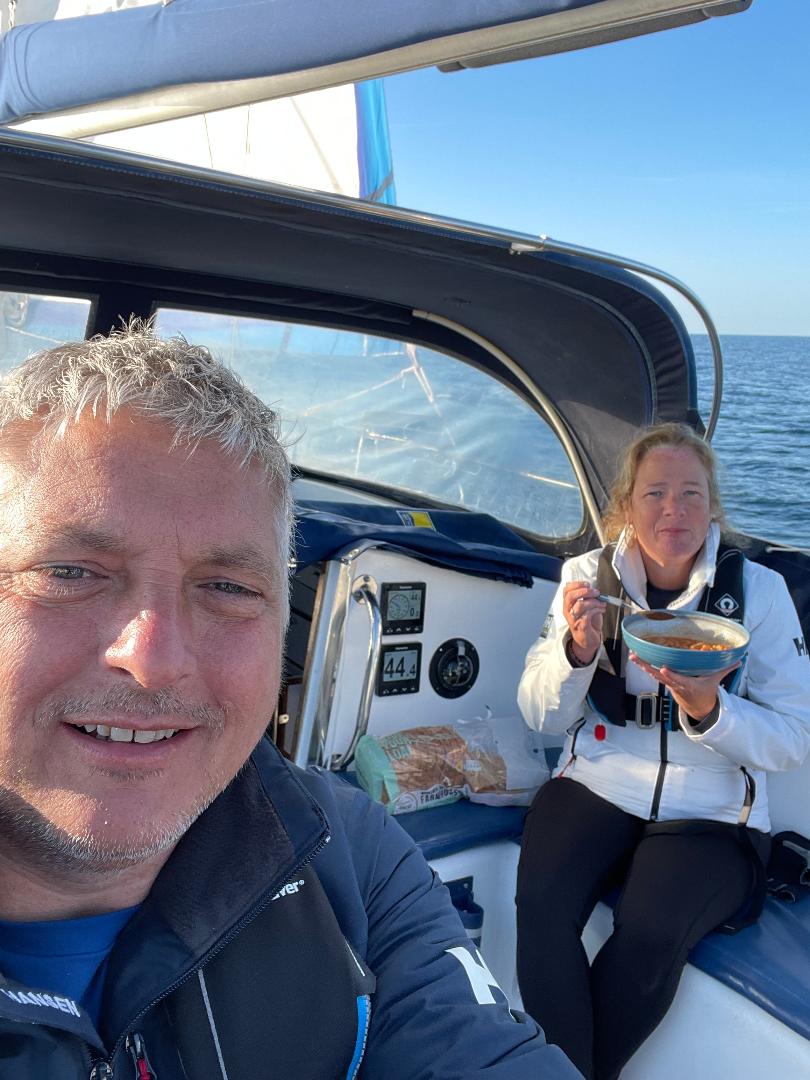
What advice would you give to someone about to buy their first boat?
Take your time and do your own checks thoroughly. If systems aren’t your strength, take someone with you who understands them. Even after that, invest in a pre-purchase survey — it’s about understanding the boat as much as identifying faults.
Most importantly, be honest about how you’ll actually use the boat and who you’ll be sailing with. Choosing a boat that builds confidence early makes a huge difference long term.
Looking back, would you do anything differently?
With hindsight, we might have taken a little longer to widen the pool of well-conditioned boats available. That said, within our budget at the time, we were fortunate to find Southern Drifter in the condition she was in.
More importantly, we wouldn’t change the experience of learning through ownership — it shaped how we sail today.
What has owning Southern Drifter ultimately taught you?
As our first boat, she’ll always be special. She showed us that boat ownership is as much about preparation and teamwork as it is about sailing skill.
Watching Jayne grow in confidence — taking on roles with berthing, anchoring, and sail handling — reinforced that this was something we could do together. That confidence is what ultimately led us to step up to a larger yacht, carrying forward everything we learned from our first boat.
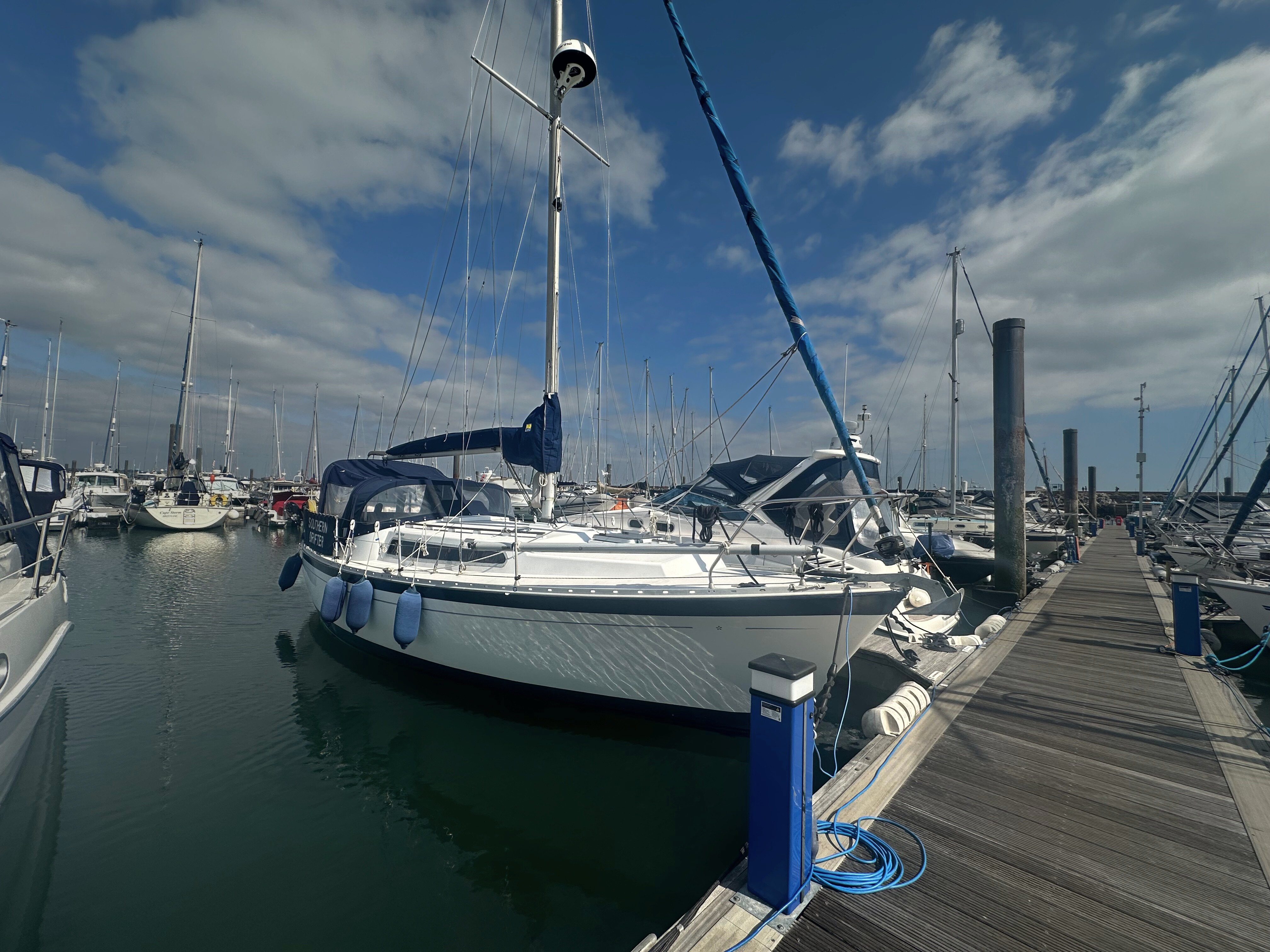
Now available on our website, Southern Drifter is an ideal step-up boat for new sailors or those upgrading from a smaller yacht. She has a stable, confidence-inspiring feel and generous accommodation.
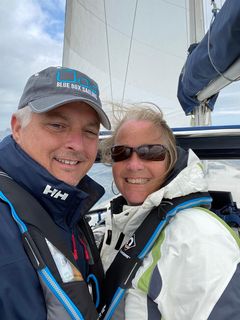
About Steve and Jayne Allen
Steve and Jayne began their sailing journey from different starting points — Steve with foundational sailing experience gained over many years, and Jayne with none at all. Through owning and sailing Southern Drifter, they developed practical seamanship, boat-handling skills, and confidence together, moving from cautious early sails to longer coastal trips and life afloat.